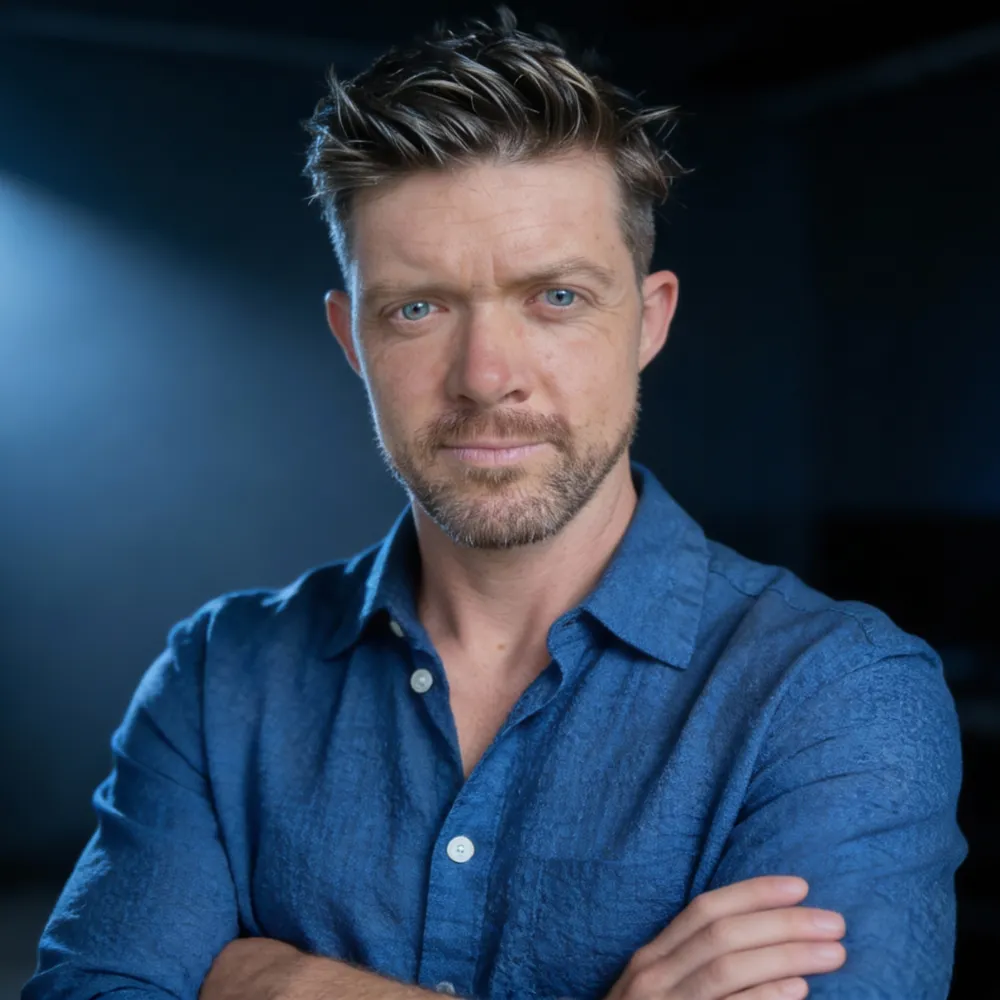
David Fleming
Researcher and developer of Recursive Field Theory (RFT) — an ongoing theoretical research programme spanning clinical application and physics. RHM is the practitioner expression of that work.
 David Fleming
Recursive Human Mechanics
David Fleming
Recursive Human Mechanics
Pre-recorded masterclass
A pre-recorded masterclass with David Fleming and Gareth Cox, senior RHM lecturer. A live in-class demonstration. Just under an hour.
Inside the screening
This is not an hour about why cases don’t resolve.
It’s a demonstration of what becomes available when the practitioner’s mind is understood and used as a precision instrument — not managed as a variable, not set aside as a confound.
Gareth Cox runs a live in-class demonstration. Using precisely timed, in-mind statements — with minimal visible physical contact — he produces large, real-time changes in a client’s nervous system. The contact exists to meet client expectations and allow the practitioner to concentrate. What’s producing the change is not the physical interaction.
The same process applies without contact at all. In greater depth. From anywhere in the world.
Across the four days of the most recent RHM cohort, something consistent showed up: presentations that would typically take weeks to work through began resolving in minutes. Not because a better technique was applied. Because the level of investigation changed.
Practitioners then applied the same process to themselves. The rate of evolution that produces is unlike anything available through external supervision or CPD.
The demonstration
Who this is for
Practitioners in any clinical or therapeutic discipline who have reached the ceiling that skilled technique produces.
Particularly those who already suspect their internal state is doing something in the room — and want a theoretical framework that accounts for the mechanism, not just permission to follow instinct.
If you are looking for energy work or an intuition-based model, this is probably not the right fit. RHM is a language-based investigative system with theoretical architecture. The masterclass will make that clear.
Researcher and developer of Recursive Field Theory (RFT) — an ongoing theoretical research programme spanning clinical application and physics. RHM is the practitioner expression of that work.
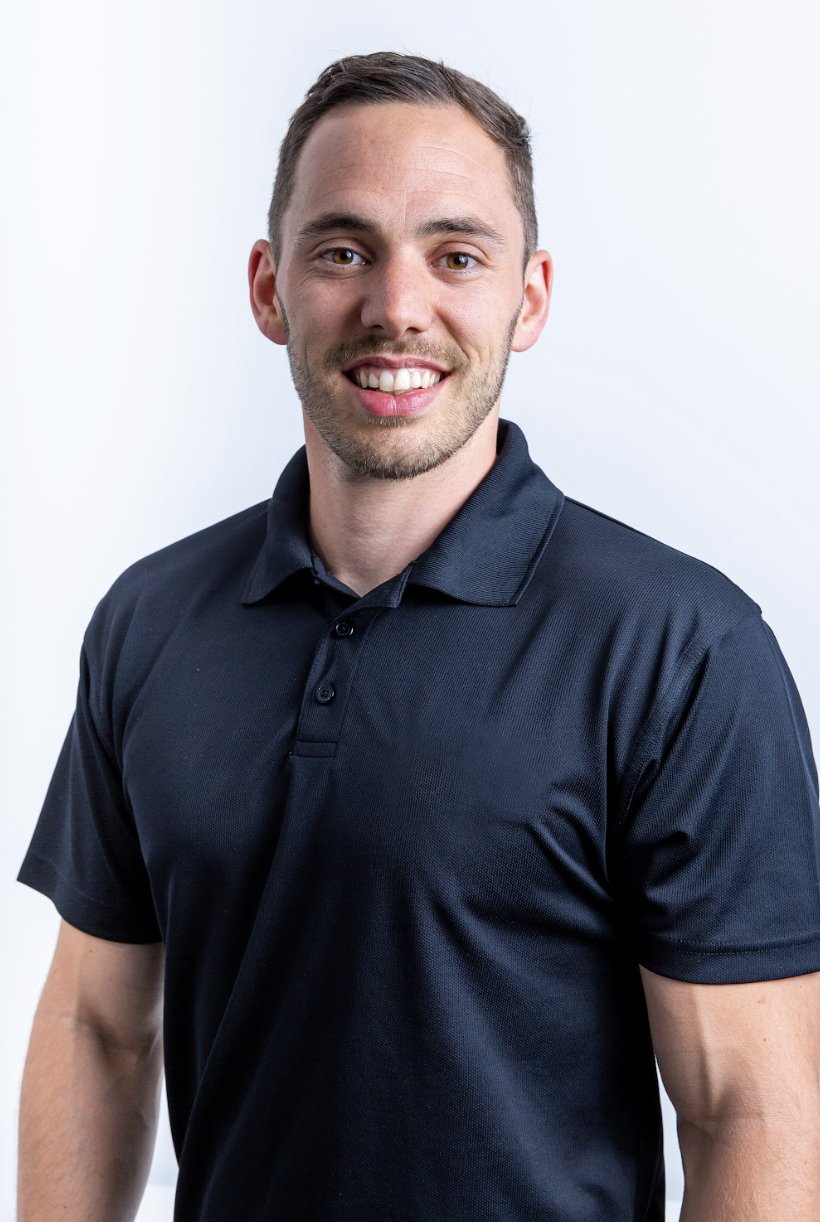
Osteopath. Senior lecturer of RHM. Gareth spent years teaching a rigorous receptor-based neuromodulation system before encountering RHM. His first response was scepticism. He asked the questions a serious practitioner should ask: how effective are the outcomes, in what timeframe, what is the ceiling, how does it account for the full range of variables in a complex case. He got answers he did not expect. He now applies RHM exclusively and leads the training as senior lecturer.
In their words
Selected comments from practitioners who have trained in Recursive Human Mechanics.
RHM gave me a completely different way of understanding complex presentations. Instead of chasing symptoms, I left with a framework that helped me investigate what was actually maintaining the problem. It’s changed the questions I ask and the confidence I have in difficult cases.
After six years of practice, I realised there was a much deeper level of investigation available. RHM has completely changed the way I understand complex cases.
The depth of investigation, combined with the practical application, has already influenced the way I work with clients.